
For companies
Hire Developers Pricing About usHow we workFAQCase studiesContact Salary Calculator Recruitment plan BlogFor engineers
Find a Remote JobHave an account? Log in
Case studies
How companies in Europe and the US hired engineers with Remote Crew: the role, the market and what happened.
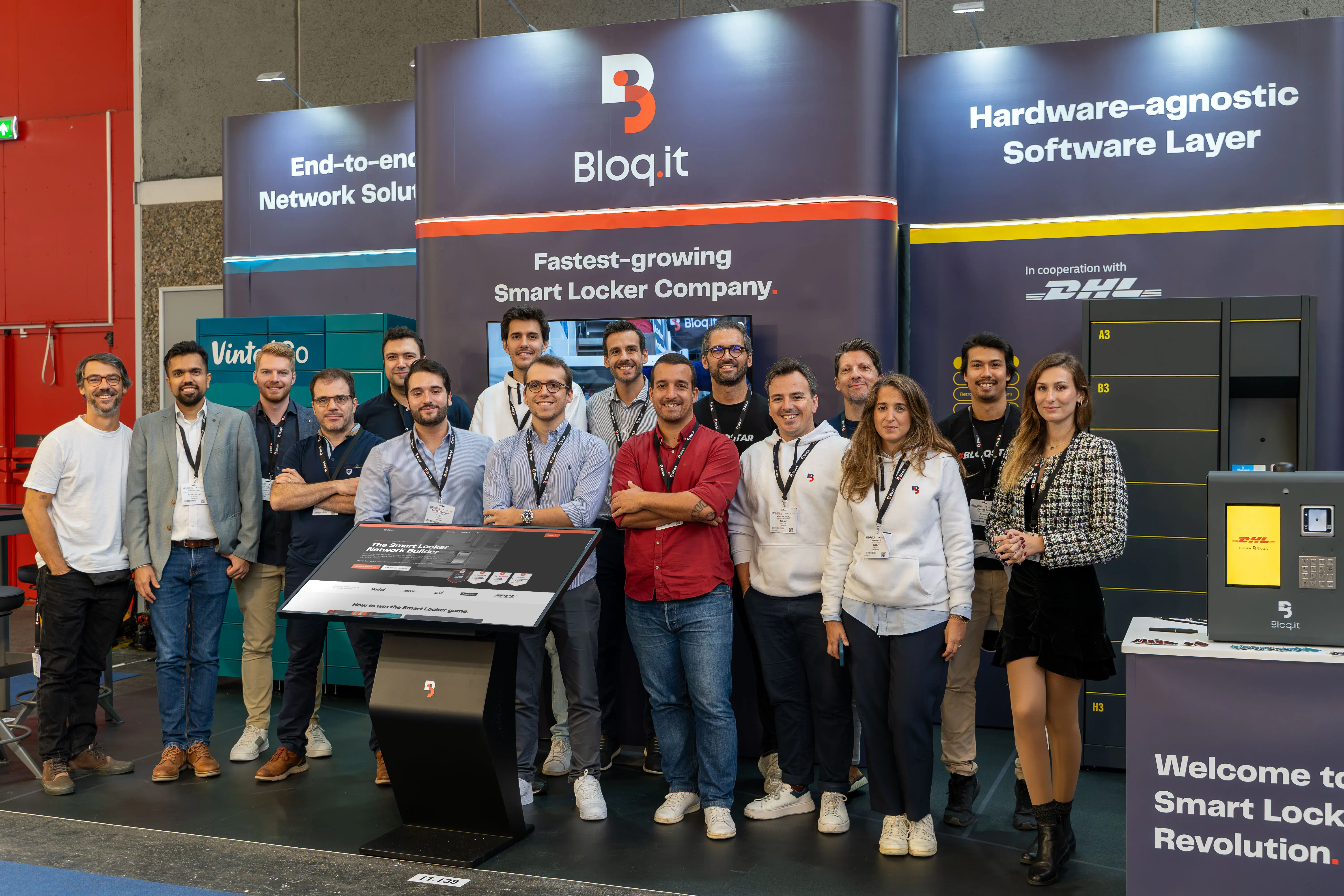

How Bloq.it grew past 300 people with 50 hires across eleven disciplines
One of Europe's fastest-growing hardware startups raised a €28M Series B. We hired hardware and software engineers, and VPs, alongside it.
50 hires in 2.5 years
Read the case study → 8 hires in 12 months
2,256 candidates for a payments platform that spans 49 countries
Two years embedded in the talent team of a global issuer-processor, through a merger that doubled the company. Every candidate tracked, every rejection reasoned, and a conversion rate we could argue about with data rather than opinion.
 10 hires in 27 months
Clever Advertising's recruitment partner in Portugal for two and a half years
Two and a half years, six role types, and three different ways of employing the same people, all through one point of contact.
 6 hires in 15 months
How we helped UpsellGuru hire engineers in Portugal
A German hotel-tech startup of under ten people needed engineers beyond its home network, employed locally. We found them in Portugal and put them on our payroll.
 4 hires in 15 months
How we helped Affidea build its internal SAP team
We worked with Affidea to hire the people for its internal SAP Center of Excellence: a Team Lead first, then three more permanent hires as new needs emerged.
 19 hires in 6 months
The team a startup had to build before its investors would sign
BoostUp needed people in the building fast enough to show a Series B round what it was funding. We placed nineteen across nine countries, thirteen of them before the round closed.
 31 hires in 17 months
Five years as the recruitment team Hubstaff never had to build
A 55-person company that had never had a recruiter, in a market where the engineers it needs do not answer job ads. In the last seventeen months alone: 31 hires, 12 of them Ruby on Rails engineers.
 3 hires in 2 years
Hiring in three countries for a company with no legal entity in any of them
Adthena wanted engineers outside the UK and had no way to employ them. We found the people and became their employer, and five years later we were still invoicing for it every month.
 1 hire in 2 months
A US go-to-market search, run with the discipline of an engineering one
Spreedly needed commercial leaders in the US payments market. We wrote a six-point scorecard before contacting anyone, mapped the companies that actually resemble theirs, and half of everyone we approached cleared all six.
 3 hires in 3 months
Three hires in 2021. All three are still there.
A fintech whose CTO was running hiring on top of his day job, after generalist agencies had sent him IT support people for senior engineering roles. Nineteen candidates in, nine interviewed, three hired, and five years later none of them has left.
 6 hires in 8 months
Hiring in web3, where LinkedIn does not work
Six senior hires at a crypto risk company in New York, every package above $100k, and not one of them found the way recruiters normally find people.
 7 hires in 18 months
How a Silicon Valley AI startup built its engineering team outside the US
How a Menlo Park GenAI company, later acquired by Webflow, hired seven people across nine disciplines without ever running a search in the United States.
 11 hires in 27 months
Five years of hiring that flexed with the business, including down to zero
Five years inside a UK software company’s Portuguese engineering team, across ten role types, an acquisition and a change of stack, billed only for the time actually worked.
 4 hires in 4 years
How Datawords Group built an AI engineering team without adding permanent headcount
A 950-person content group working for L'Oréal, LVMH and Michelin needed engineers it could switch on when a client project landed and switch off when it ended.